
The Daily Grind: Humans in the Equation
I get asked a lot if I’m afraid of AI since it’s coming for my job and my answer is:
Not yet.
I already use AI in 75% of my professional work and it does 90% of the coding. I’m working for a global enterprise that has thousands of applications that will take a decade to modernize even with contemporary AI tools.
Still, the threat is real. I should be in a low-key panic, but I’m not and here’s why.
Everybody has access to AI now to build software just like everybody has access to guitars to make music. The tools are there.
It doesn’t mean you know how to use it. Or want to. Or can be good at it if even you want to be.
You have a pen & pencil, but that doesn’t make you an author. You have Excel, but you are not a mathematician. I have a guitar and I know how to use it, but I’m not Van Halen despite 45 years of trying to be.
Software development at scale still requires unique skills just like ripping out a guitar solo. It requires many years of dedicated learning effort, practice and failure, and most people wash out. Walk into any Guitar Center store for evidence.
What’s important is the domain knowledge that you bring to the table. What are you programming about?
Implementing something trivial is easy. Anybody can pick up a guitar and play a few cowboy chords, and everybody should. You could even write your own song, and you should do that, too. It won’t make you a musician, although you may be musically inclined. But it might make you happy.
Making a day planner with Lovable is fine in a world where everybody has their own day planner or their own calorie counter.
You could create those right now, with Lovable or Claude Code or whatever you get your fix off of. You could have your own website.
Why would you? It might make you happy, and if so you should do that. Something cool about that. Playing guitar makes me happy, and a few million other folks.
You might even pay for the pleasure of doing it.
But at the end of the day programming is not just about automation. It’s about creation. And generative AI technology helps a creative mind execute on its will. But what is the thinking behind the execution? It has to be something worth creating to bring any value to the equation. It has to be coherent, informed, disciplined and thorough.
I’ve been programming for 45 years, 35 of it professionally. But I don’t make my living by coding my whimsy. I make my living by learning other people’s problem domains and codifying them into rules-based systems. And that still requires knowing something about something.
“There are still humans in this equation, robot” – Rango Unmuzzled
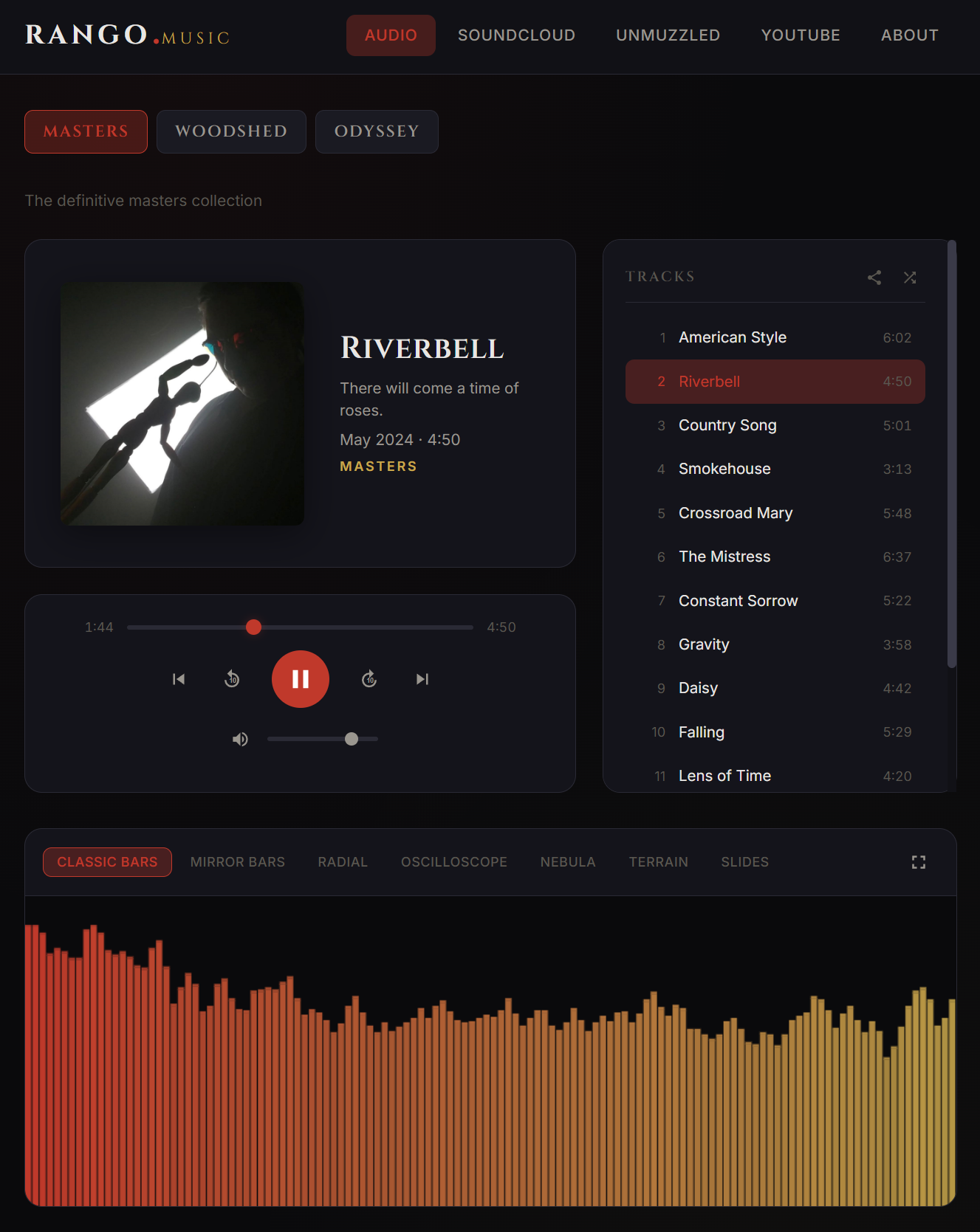
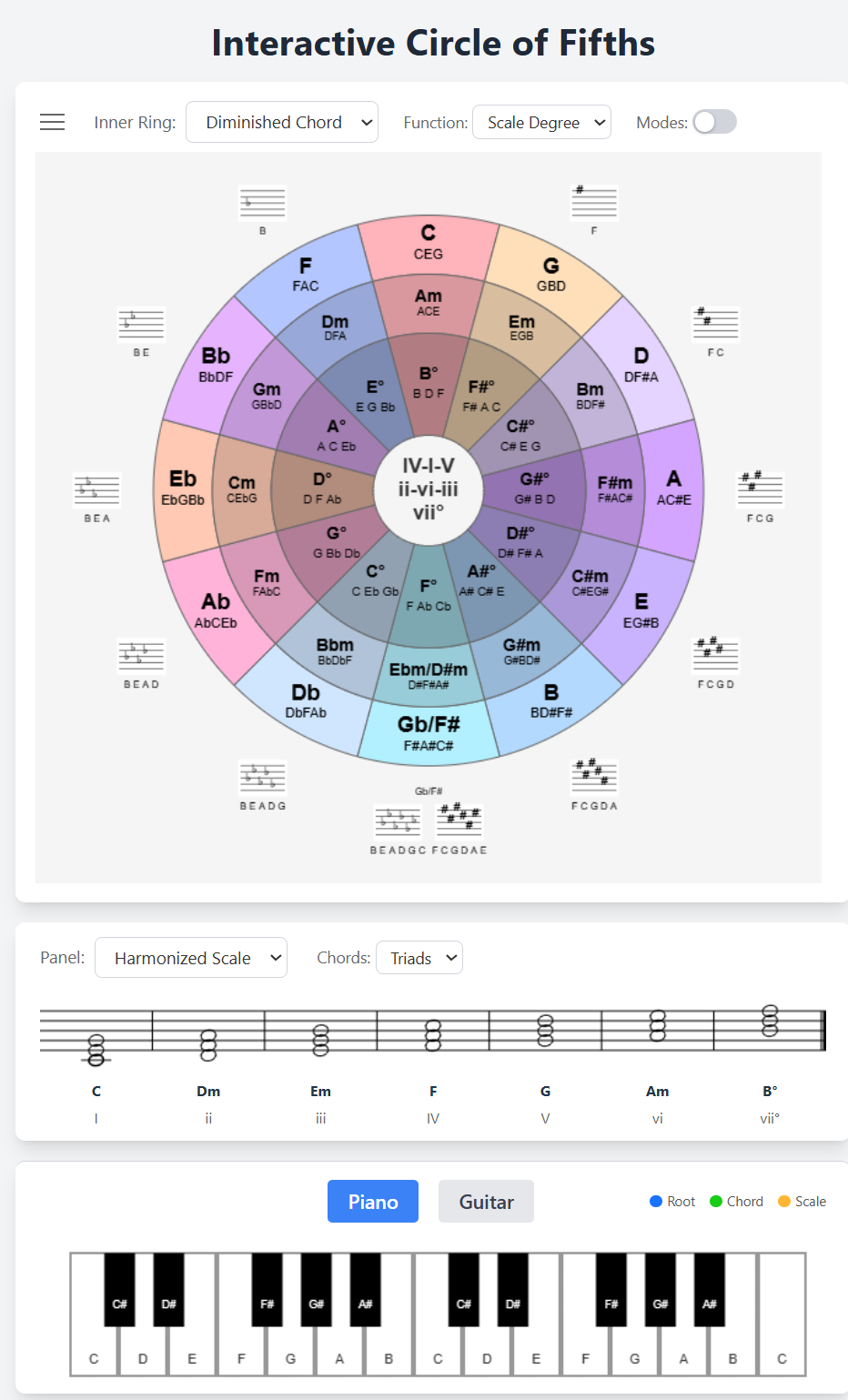
See samples of my work:
http://rango.music
https://interactivecircleoffifths.com
 Rango's Dog House